




Click to add content to Spotlight section
Add section title:

Spotlight

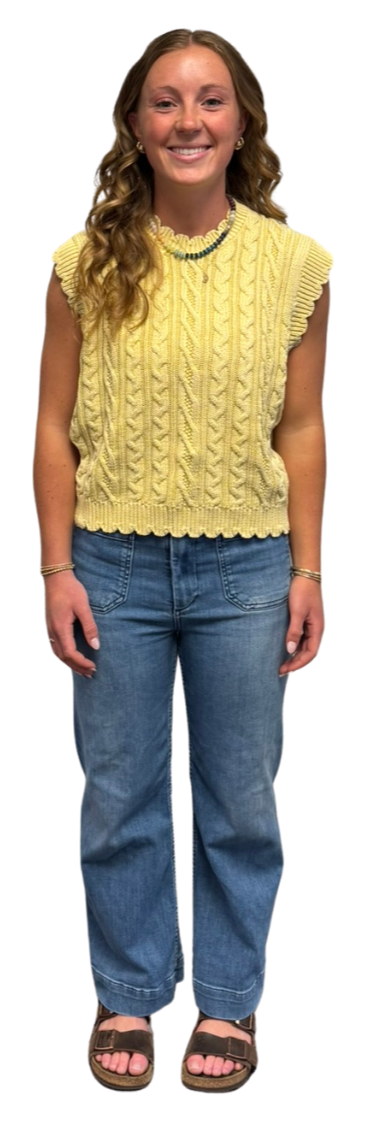
Add name: Norah
Add school name (or role): East Jessamine High School Add school logo: Add button text (and link optional): My Story
Add image (portrait 1:3 aspect ratio, ex: 500x1500px, fundal transparent): Image of Norah
Add more details below:
What passion or career path have you discovered while attending Jessamine County Schools?

While attending Jessamine County Schools, I have discovered a multitude of career paths through the JCTC pathway program. From law to early childhood education, the pathway program is extremely interactive and supports students’ plans. I eventually discovered the Speech Language Pathology career through the Rising Educators pathway, which I am now pursuing in college. I have gained very valuable experiences from this pathway, such as in-class observations and mock interviews, which have greatly prepared me for my future. 

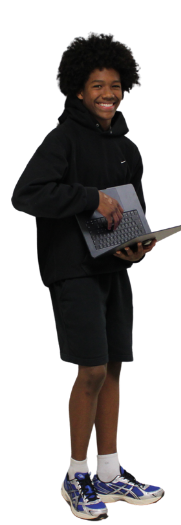
Add name: Ira
Add school name (or role): West Jessamine High School Add school logo: Add button text (and link optional): My Story
Add image (portrait 1:3 aspect ratio, ex: 500x1500px, fundal transparent): Image of Ira Robinson
Add more details below:

What does "Community" mean to you?

Community means being part of a group of people who support each other and work together. For me, community is my school because it brings students, teachers, and staff together to help each other learn and grow. Being part of school activities and Easports helps build teamwork, friendships, and responsibility. Community is important because it creates a place where people feel connected, included, and supported 

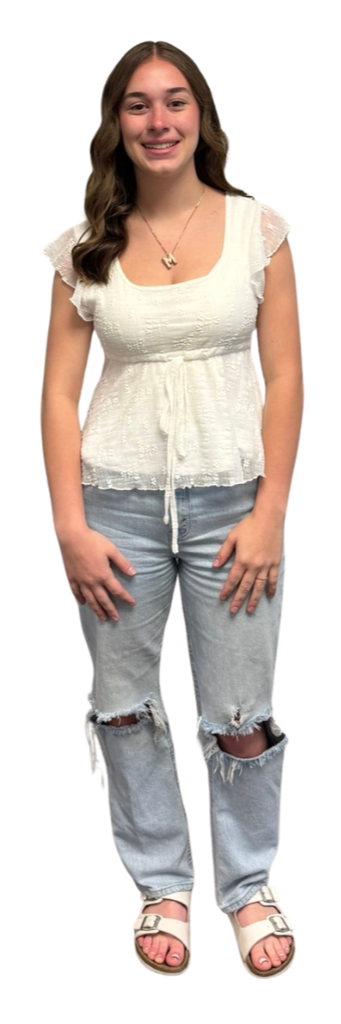
Add name: Molly
Add school name (or role): East Jessamine High School Add school logo: Add button text (and link optional): My Story
Add image (portrait 1:3 aspect ratio, ex: 500x1500px, fundal transparent): Image of Molly
Add more details below:
Can you describe a time you used "Critical Thinking" or "Work Ethic" to overcome a challenge in or out of the classroom?


One way I demonstrated work ethic outside of the classroom is during my athletics. I play volleyball for EJHS and have had to work extremely hard to be on the Varsity team while being an underclassman. 

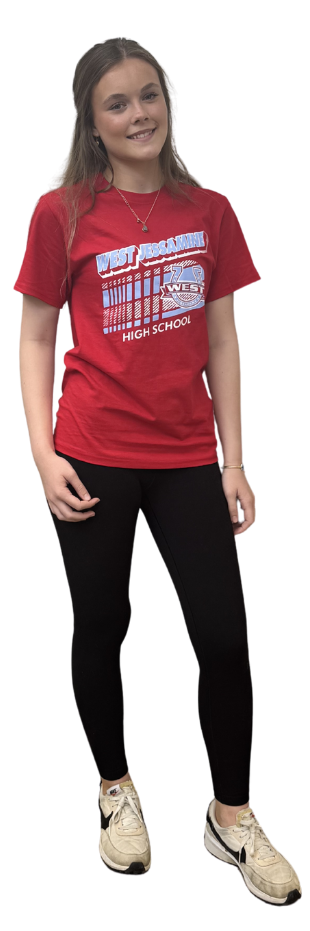
Add name: Evie
Add school name (or role): West Jessamine High School Add school logo: Add button text (and link optional): My Story
Add image (portrait 1:3 aspect ratio, ex: 500x1500px, fundal transparent): Image of Evie C.
Add more details below:

Can you describe a time you used "Critical Thinking" or "Work Ethic" to overcome a challenge in or out of the classroom?

There have been many times I've used work ethic and critical thinking outside of school. One way that I vividly remember is my time as a camp counselor classes and working the greenhouse for agriculture--using work ethic in greenhouse and using critical thinking during camp counselor training/classes.

Click to add content to Tabs section
Add panel content text

At its core, critical thinking is the disciplined process of actively analyzing, synthesizing, and evaluating information gathered from observation, experience, or communication. It is more than just "thinking deeply"; it is the ability to question assumptions, identify biases, and look beyond the surface of an issue to reach a well-reasoned conclusion.

Why it Matters

The careers of the future don’t require rote memorization, they require adaptive problem-solving. Teaching students how to think equips them to succeed in an increasingly complex world, providing them with the “mental toolkit” necessary to navigate challenges independently.

Add panel button (optional) Button test
Add panel content text

A strong work ethic is more than just "working hard", it is the foundation for success demonstrated through initiative and perseverance through challenges. Graduates with a strong work ethic view obstacles as opportunities to learn and grow. They apply consistent effort, embrace feedback, and stay focused on long-term goals despite setbacks.

Why it Matters

Whether working independently or as part of a team, an individual with a strong work ethic will prove to be reliable, accountable, and driven to see a task through to completion. 

Add panel button (optional)
Add panel content text

Responsibility means more than just completing assignments on time; it is the commitment to being a self-directed learner and an ethical member of a global community. A responsible individual takes ownership of their actions, honors their commitments, and understands the impact their choices have on themselves and others. 

Why it Matters

In an ever-evolving world, responsibility is the bridge between potential and achievement. While academic knowledge provides the foundation, it is the graduate's personal initiative and reliability that allow them to navigate the complexities of adulthood.

By mastering the art of following through on obligations and advocating for their own growth, our students transform from passive participants into active, dependable leaders who are prepared to take ownership of their future and the well-being of their communities.

Add panel button (optional)
Add panel content text

Connected citizenship describes the ability of individuals to engage meaningfully with their communities, locally, nationally, and globally.

A connected citizen doesn't just inhabit a community; they actively contribute to it. They use technology responsibly to solve problems, seek out diverse perspectives to build empathy, and understand the ripple effects of their actions in an interconnected society.

Why it Matters

As we prepare students for life beyond graduation, we recognize that academic knowledge alone isn't enough. The world our graduates enter is more integrated and faster-paced than ever before. As connected citizens, our students leave us as informed, empathetic, and active contributors to a better future.

Add panel button (optional)
Add panel content text

At its core, communication is the bridge between people. It is the purposeful exchange of information, ideas, and emotions through verbal, non-verbal, and digital channels. In today's interconnected world, effective communication isn't just about speaking—it’s about active listening, empathy, and the ability to tailor a message to a specific audience to ensure it is understood as intended. 

Why it Matters

Effective communication is the foundation of emotional intelligence. It allows our graduates to resolve conflicts, build lasting connections, and lead with integrity. Employers consistently rank communication as one of the most desired traits in new hires.

Add panel button (optional)